Building Connections Through DIY Skill Exchanges
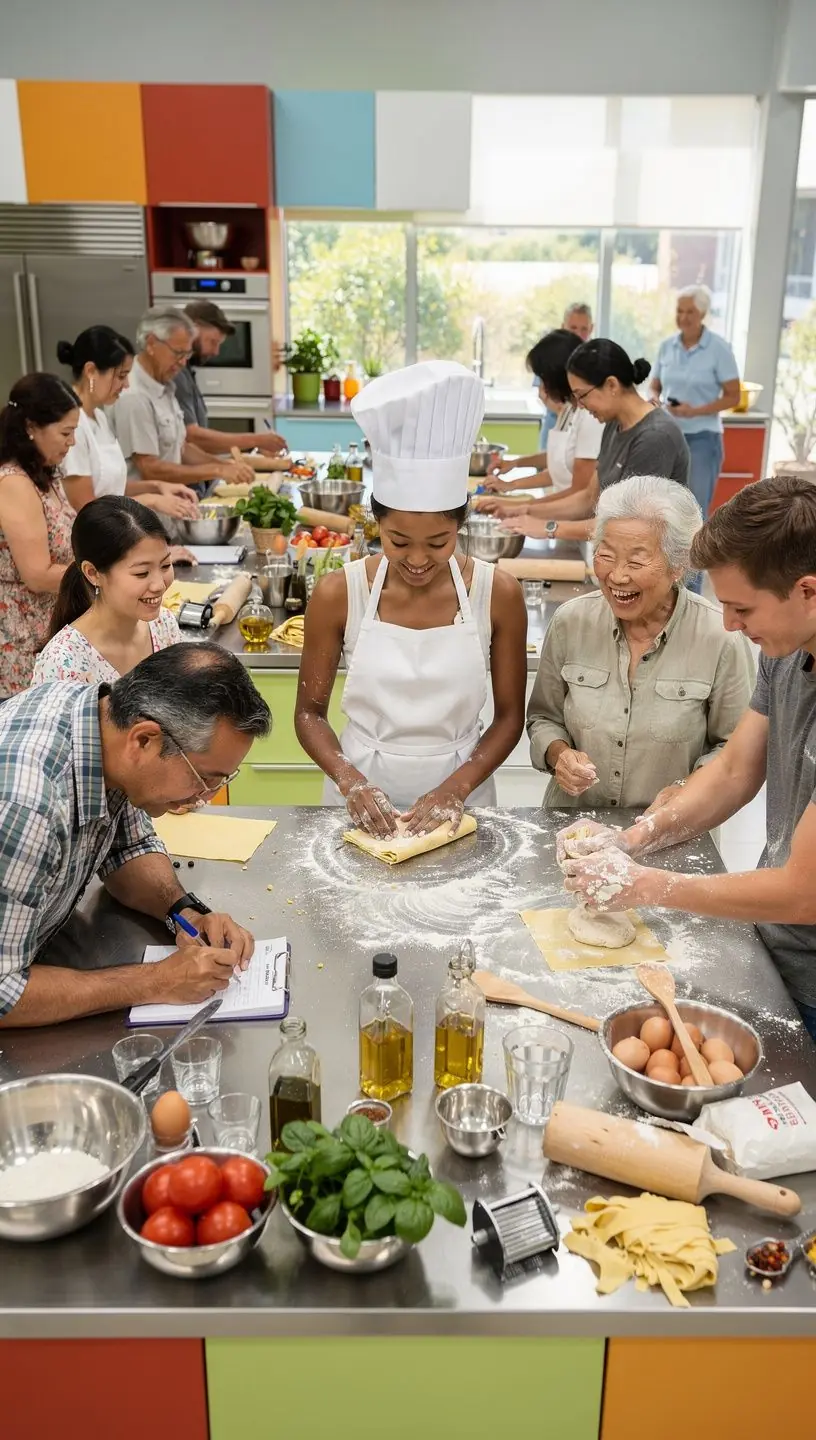
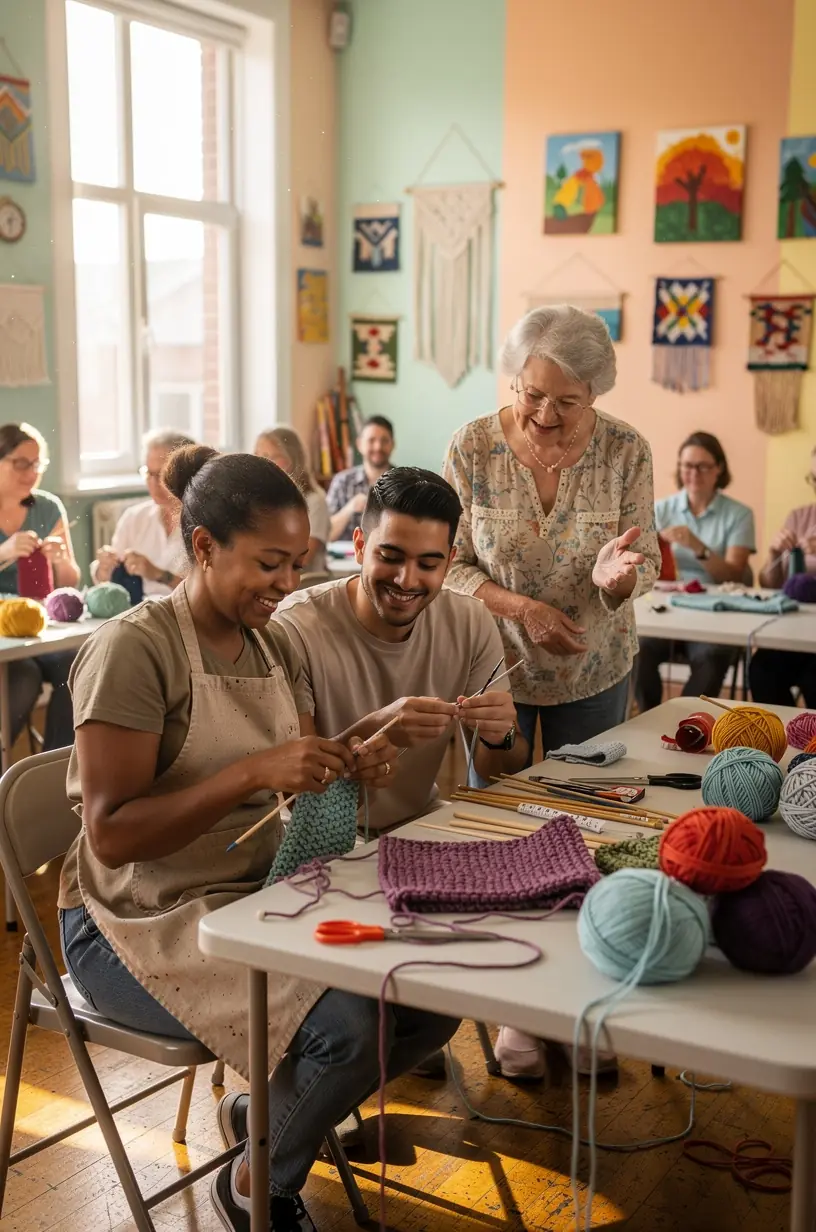
In a world increasingly driven by technology, the charm of hands-on crafting and creativity is making a significant resurgence. DIY skill-sharing clubs have emerged as vibrant communities where members not only teach and learn various crafts but also foster meaningful connections. This article explores how participating in these clubs can enhance social ties while promoting personal growth and creativity.
Understanding the Benefits of Skill Exchanges
Participating in a DIY skill exchange offers numerous benefits that extend beyond just learning a new skill. Research indicates that engaging with others through shared activities can significantly improve mental well-being. According to a study published in the Journal of Community Psychology, social connections often enhance feelings of belonging, which can lead to lower levels of anxiety and depression.

"Building connections through shared experiences, like crafting, can significantly boost our mental health and social interactions."
How DIY Skill Exchanges Work
Typically, a DIY skill-sharing club operates on a simple yet effective model: members volunteer to teach a skill they are proficient in, which could range from knitting to woodworking. Participants are often encouraged to bring their supplies, making it a low-cost, accessible way to explore new hobbies. The process generally unfolds in several steps:
- Joining a Club: Look for local clubs or online communities that focus on DIY activities. Many users report that platforms like Meetup or Facebook Groups are great places to start.
- Signing Up for Classes: Once you find a club, you can sign up for classes that interest you. Most classes require a commitment of 1-2 hours, depending on the skill being taught.
- Collaborative Learning: During the sessions, participants share their insights and experiences, creating a rich learning environment. The hands-on approach fosters collaboration and peer support.
Tips for Effective Engagement
To make the most out of your experience in a DIY skill-sharing club, consider the following tips:
- Be Open-Minded: Approach each session with a willingness to learn and embrace new ideas. This openness can enhance your experience and help you connect with others.
- Dedicate Time: Typically, the learning process may require several sessions to grasp a new skill fully. Set aside time each week to practice the skills you learn, as consistent practice is often key to improvement.
- Share Your Knowledge: If you have a craft or skill you are passionate about, consider offering to teach a class. Teaching others can reinforce your own knowledge and foster deeper connections within the group.
Challenges and Considerations
While DIY skill exchanges can be rewarding, they do come with certain limitations. Participants may find that:
- Time commitments can vary, and balancing other responsibilities may be challenging. Typically, mastering a new skill can take several weeks to months of dedicated practice.
- Access to materials can be a barrier for some. Most clubs encourage participants to bring their supplies, but this may not always be feasible for everyone.
- Not all clubs may be structured the same way, which can lead to varying experiences. It’s important to find a club that aligns with your learning preferences and goals.
Conclusion
Building connections through DIY skill exchanges not only allows individuals to learn new crafts but also encourages the formation of lasting friendships and community bonds. By participating in these clubs, you can engage in a fulfilling process that nurtures your creativity and enhances your social well-being. Whether you’re a beginner or a seasoned crafter, there’s always something new to learn and share. Embrace the opportunity to grow both personally and socially through the inspiring world of DIY.
Discover More