Exploring the Benefits of Skill-Sharing Clubs
Skill-sharing clubs offer a unique opportunity for individuals to learn and teach a variety of crafts and creative activities. These clubs not only foster community but also provide numerous benefits to members, enhancing both their personal and professional lives.
Understanding the Basics
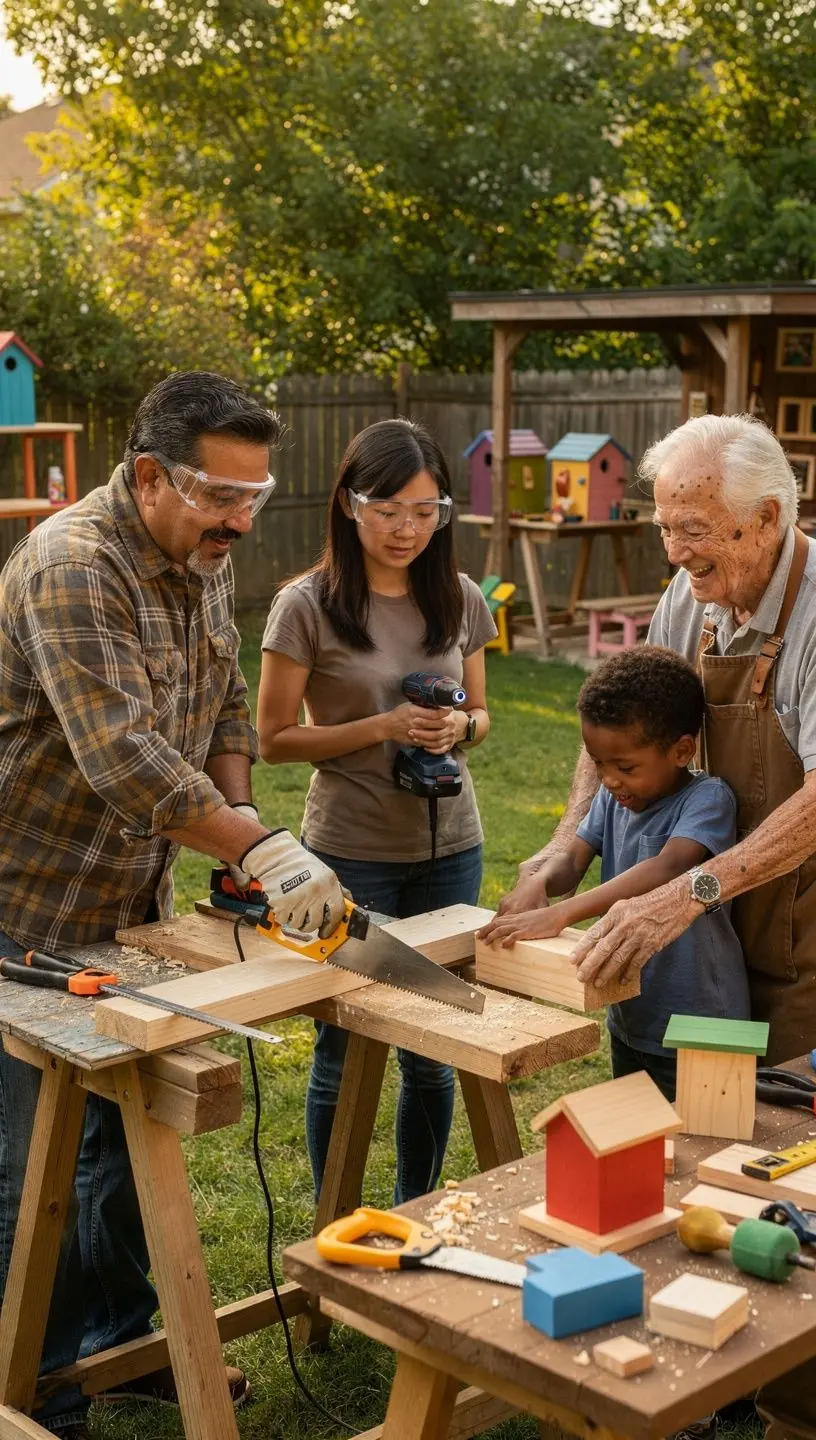
Skill-sharing clubs typically function on the principle of community-led learning, where members share their expertise in various crafts, from knitting to woodworking. According to research, these collaborative environments can enhance individual creativity and improve social connections. Experts recommend engaging in such clubs as a way to build valuable skills while also forming meaningful relationships with others who share similar interests.
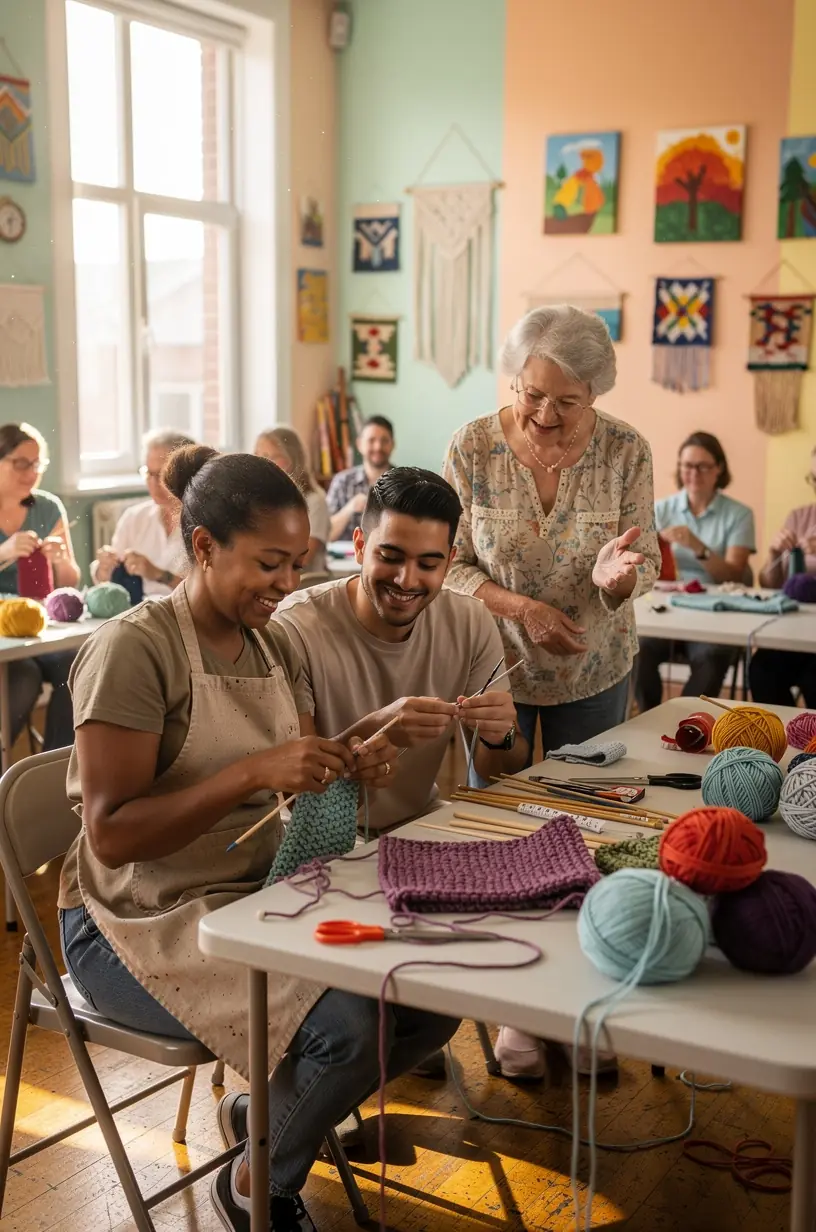
"Participating in a skill-sharing club can foster a sense of belonging and improve learning outcomes," says Dr. Sarah Thompson, a sociologist specializing in community engagement.
Benefits of Joining a Skill-Sharing Club
- Enhancing Skills: Many users report that sharing their knowledge with others not only reinforces their own skills but also expands their understanding of the craft. This works because teaching often requires a deeper comprehension of the subject matter.
- Building Community: Skill-sharing clubs are often built around mutual interests, which can strengthen social ties. Research indicates that individuals who engage in community activities typically experience lower levels of loneliness and a greater sense of purpose.
- Boosting Creativity: Studies show that collaborative environments often stimulate creativity. Members are frequently inspired by others’ techniques and perspectives, leading to innovative approaches within their crafts.
Practical Application
Joining a skill-sharing club typically involves a commitment to regular meetings, which may vary in frequency from weekly to monthly. Members are encouraged to:
- Participate Actively: Engaging with fellow members through discussions and workshops enhances the learning experience.
- Prepare to Teach: Members should be ready to share their skills, as teaching is a fundamental aspect of these clubs. This may involve developing lesson plans or simply informing participants about your craft.
- Provide Feedback: Offering constructive feedback helps create a supportive environment where members can grow and improve their skills.
Acknowledging Limitations
While skill-sharing clubs offer many advantages, they also require a realistic time commitment and dedication. Members typically need to invest time in both teaching and learning, which may take 2-4 weeks to see substantial progress in skill development. Additionally, these clubs may not be suitable for everyone, particularly individuals who prefer structured learning environments or those with limited availability to attend meetings.
Conclusion
In summary, skill-sharing clubs present a valuable opportunity for individuals to enhance their skills, build community, and foster creativity. By understanding the benefits and acknowledging the required commitment, potential members can make informed decisions about joining such clubs. Ultimately, the combination of learning and teaching in a supportive environment can lead to enriching experiences that benefit both personal and professional growth.
Discover More