Understanding Different Learning Styles in Craft Classes
In the vibrant world of craft classes, recognizing and adapting to various learning styles can significantly enhance the experience for both instructors and participants. This article explores different learning styles and offers practical insights for maximizing the effectiveness of skill-sharing clubs.
Understanding Learning Styles
Learning styles refer to the diverse ways in which individuals absorb, process, and retain information. According to research from the Learning Styles Network, there are typically four main categories: visual, auditory, reading/writing, and kinesthetic. Each style offers unique strengths and challenges, and understanding these can help craft instructors tailor their teaching methods to meet the needs of their students.

Visual Learners
Visual learners often benefit from diagrams, charts, and demonstrations. They typically excel when information is presented in a visually engaging manner. For example, an instructor might use a color-coded instruction sheet or a video tutorial to enhance comprehension. Studies show that visual aids can improve information retention by up to 65% compared to text-only methods.
Auditory Learners
Conversely, auditory learners thrive on listening. They often grasp concepts better through discussions, verbal instructions, and storytelling. Incorporating group discussions or audio instructions can significantly benefit these learners. Experts recommend using techniques like storytelling to enrich the learning experience, as it can foster a deeper emotional connection to the content.
Reading/Writing Learners
Individuals who prefer reading and writing typically find success through traditional text-based methods. They may excel in environments that offer detailed written instructions or the opportunity to take notes. Craft classes can benefit from providing handouts that outline step-by-step processes, allowing these learners to reference material as they work on their projects.
Kinesthetic Learners
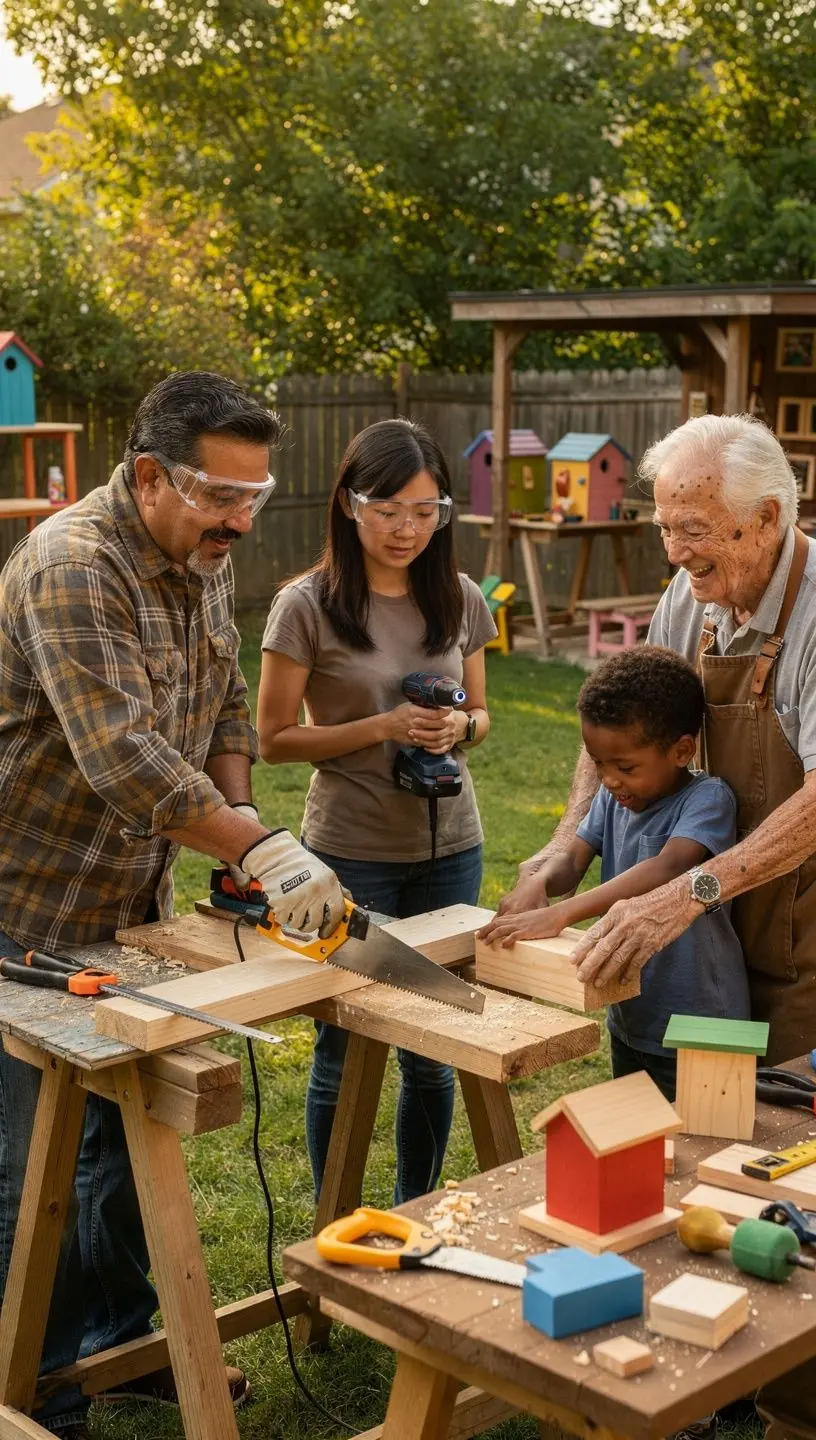
Kinesthetic learners, on the other hand, learn best through hands-on experiences. They often require opportunities to actively engage with materials. Craft classes should incorporate ample practice time and physical activities, such as creating prototypes or executing projects as part of the learning process. According to research, active learning methods can enhance engagement and retention significantly.
"Understanding and adapting to different learning styles can lead to a more inclusive and effective learning environment." - Educational Psychologist
Practical Applications in Craft Classes
Incorporating the diverse learning styles into craft classes can enhance the overall experience. Here are some practical applications:
- Combining Teaching Methods: Use a mix of visual, auditory, reading/writing, and kinesthetic techniques to cater to the diverse learners in your class. This approach can help ensure that all participants feel included and engaged.
- Creating Interactive Sessions: Encourage participants to experiment with their crafts through hands-on activities, ensuring kinesthetic learners can fully engage with the material. This not only benefits them but enhances the class experience for everyone.
- Soliciting Feedback: Regularly ask for feedback from participants to understand their preferred learning styles and adjust your teaching methods accordingly. Being responsive to your students' needs is essential for creating a supportive learning environment.
Conclusion
Understanding different learning styles is crucial for enhancing the effectiveness of craft classes and skill-sharing clubs. By recognizing and addressing the needs of visual, auditory, reading/writing, and kinesthetic learners, instructors can create a more enriching and inclusive learning environment. While adapting to these styles requires some effort and creativity, it can lead to a significantly improved crafting experience for all participants in the long run.
Discover More