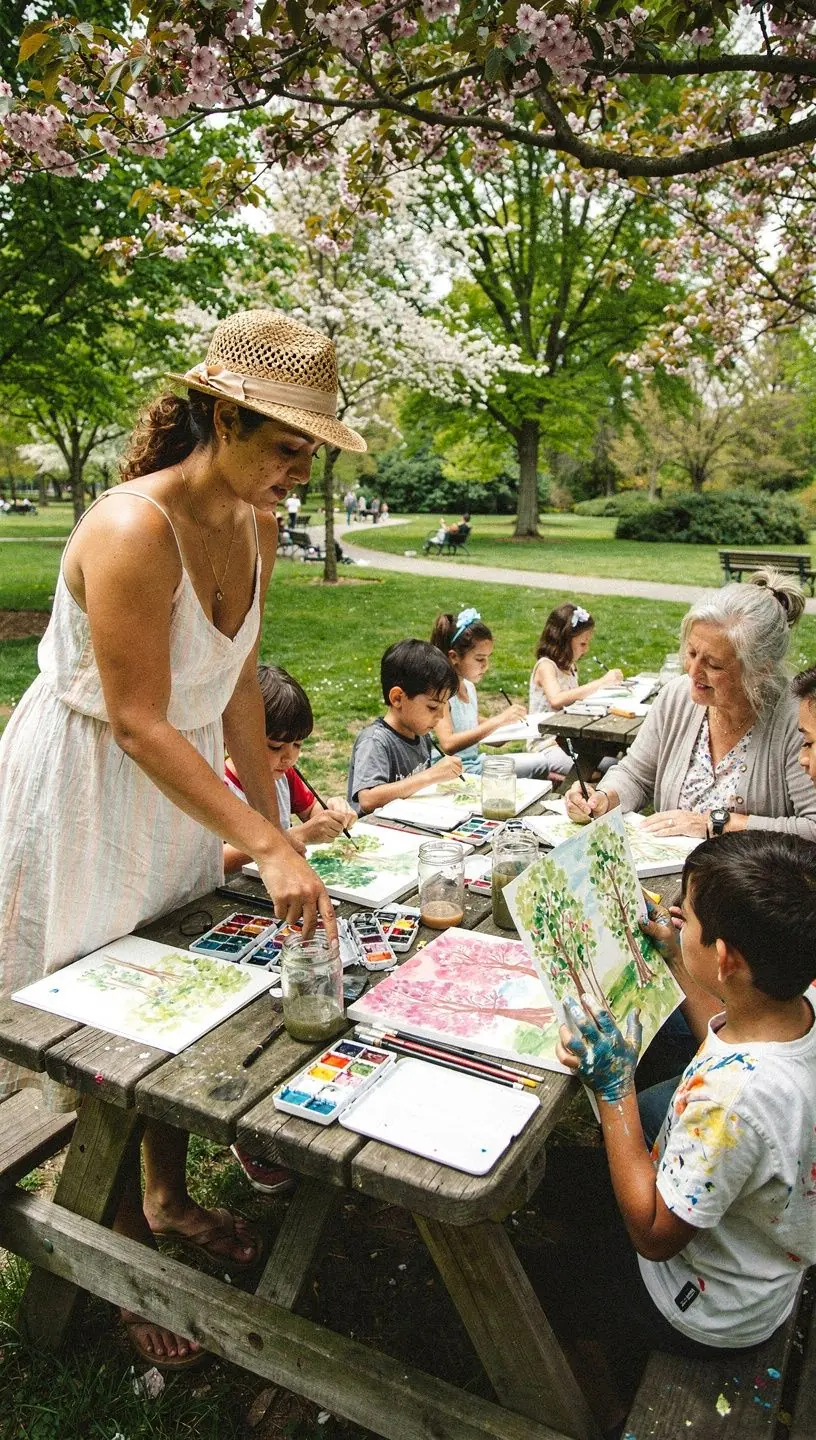
Navigating Challenges in Craft Club Participation
Joining a craft club can be an enriching experience, but it often comes with its own set of challenges. This article will explore common obstacles members face and offer practical solutions to help you navigate these issues effectively.
Understanding the Common Challenges
Participating in a craft club typically involves collaboration with others who share a passion for creativity. However, many users report facing challenges that can affect their engagement and enjoyment. According to studies in community-based activities, the most frequently cited issues include:
- Time Management: Balancing personal commitments with club activities can be difficult.
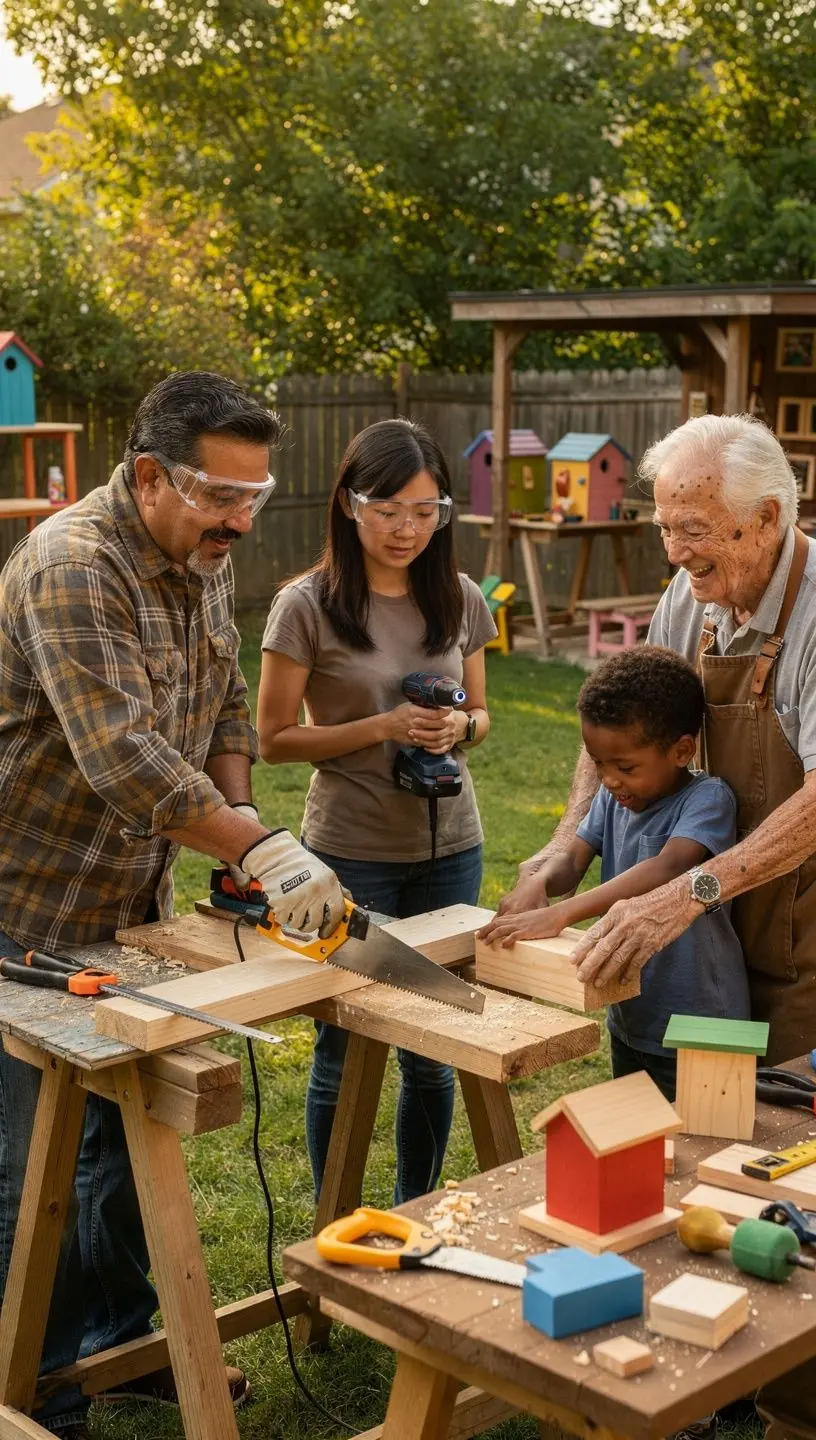
- Skill Disparity: New members may feel intimidated by more experienced crafters.
- Lack of Resources: Limited access to crafting materials can hinder participation.
Addressing Time Management
Time management is often cited as a significant barrier to regular participation in craft clubs. According to research from the American Psychological Association, setting realistic time commitments can help members better balance their schedules.
Experts recommend implementing a structured calendar where members can:
- Identify their available hours for crafting activities.
- Schedule regular meetings that accommodate everyone's availability.
- Establish deadlines for projects to promote accountability without overwhelming participants.
Bridging the Skill Gap
New members may feel apprehensive about their skill level, particularly in clubs where experienced crafters dominate. However, creating an inclusive environment fosters growth. Experts suggest:
- Encouraging mentorship programs where seasoned members guide newcomers.
- Organizing workshops that cater to various skill levels, allowing everyone to participate comfortably.
- Promoting a culture of constructive feedback rather than critical judgment.
This approach works because it prioritizes skill development and encourages a supportive community, essential elements in any learning environment.
"A supportive craft club atmosphere not only nurtures creativity but also enhances social connections among members." - Craft Community Studies
Enhancing Resource Accessibility
Many clubs face challenges related to resource availability. In most cases, members may not have equal access to crafting supplies, which can discourage participation. To address this issue, consider the following strategies:
- Resource Sharing: Establish a system where members can borrow or share materials, reducing costs and increasing accessibility.
- Group Purchases: Organize bulk buying to lower the price of supplies, enabling members to access materials they might not purchase individually.
- Donation Drives: Encourage members to donate unused supplies, fostering a sense of community and resourcefulness.
Implementing these strategies can help create a more equitable environment, encouraging greater participation from all members.
Conclusion
Navigating challenges in craft club participation requires understanding various obstacles and implementing thoughtful solutions. By focusing on time management, bridging skill gaps, and enhancing resource accessibility, clubs can foster a more inclusive and engaging environment. Remember, the goal is to create a supportive community where creativity can thrive. With careful planning and cooperation, craft clubs can overcome these challenges and encourage participation from all members.
Discover More