Incorporating Cultural Crafts into Skill-Sharing
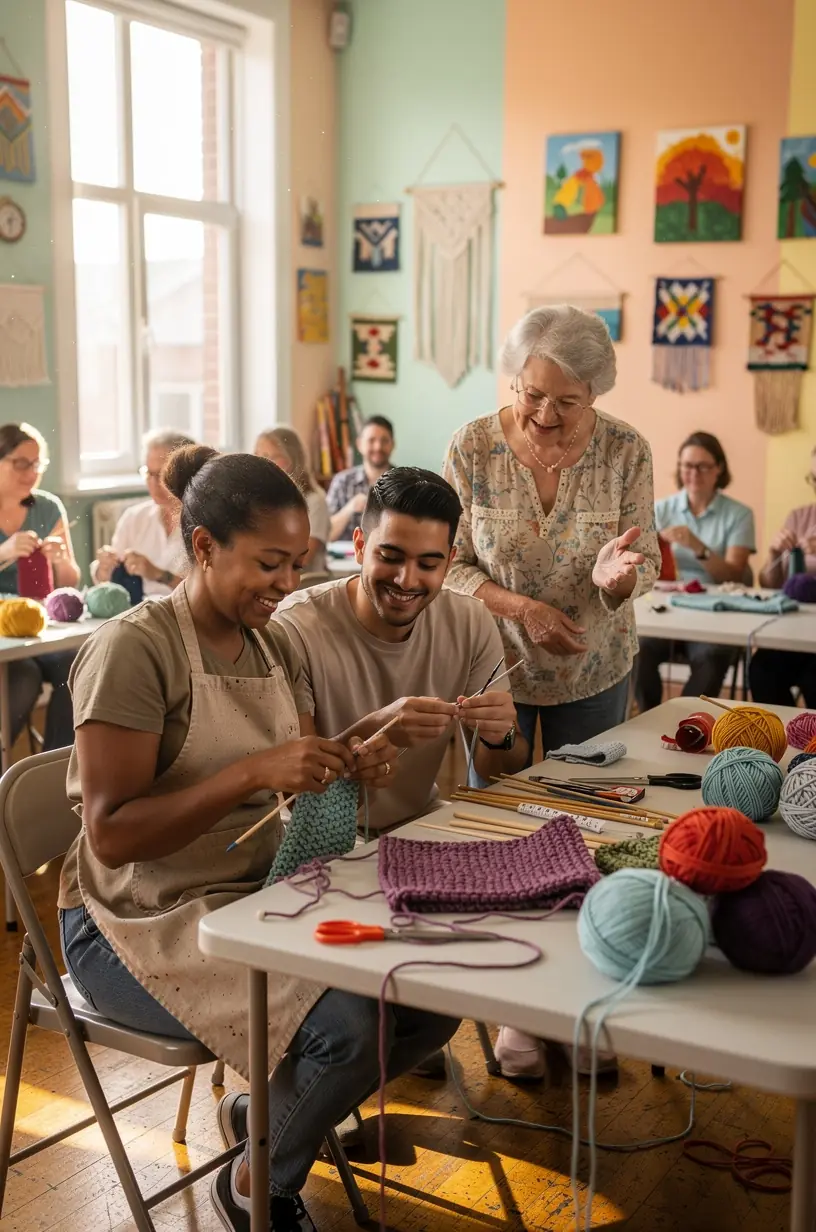
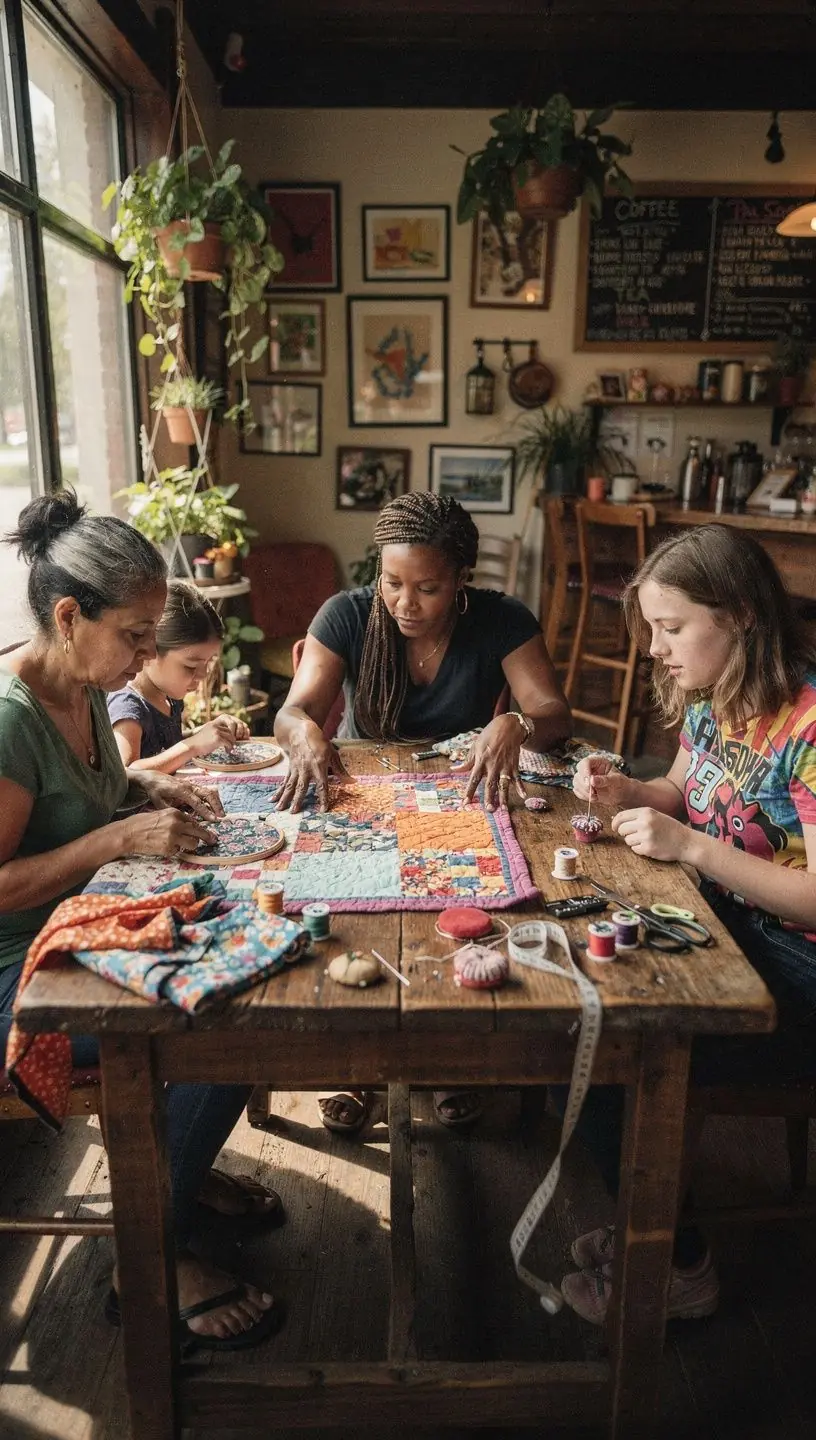
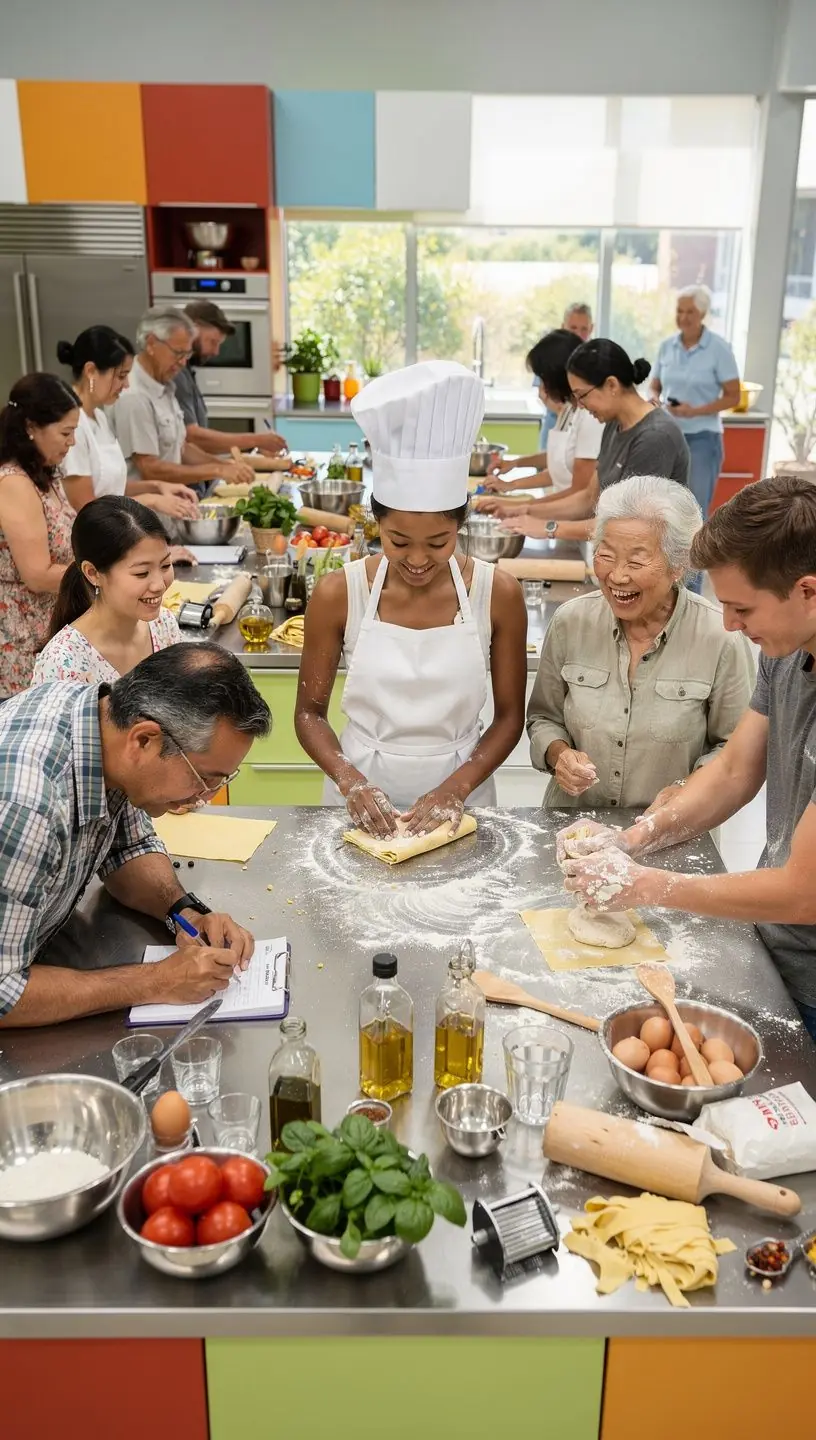
Skill-sharing clubs have emerged as vibrant communities where members exchange knowledge and teach one another various crafts and creative activities. Incorporating cultural crafts into these clubs can enrich the experience and broaden participants’ horizons. This article will explore the benefits of cultural crafts in skill-sharing and provide practical insights on how to integrate them effectively.
Understanding the Importance of Cultural Crafts
According to research, cultural crafts play a significant role in preserving heritage and fostering community ties. Many users report that engaging in cultural activities can enhance social connections and promote inclusivity. By exchanging traditional techniques and stories, skill-sharing clubs create a space where participants can appreciate diverse backgrounds while developing new skills.
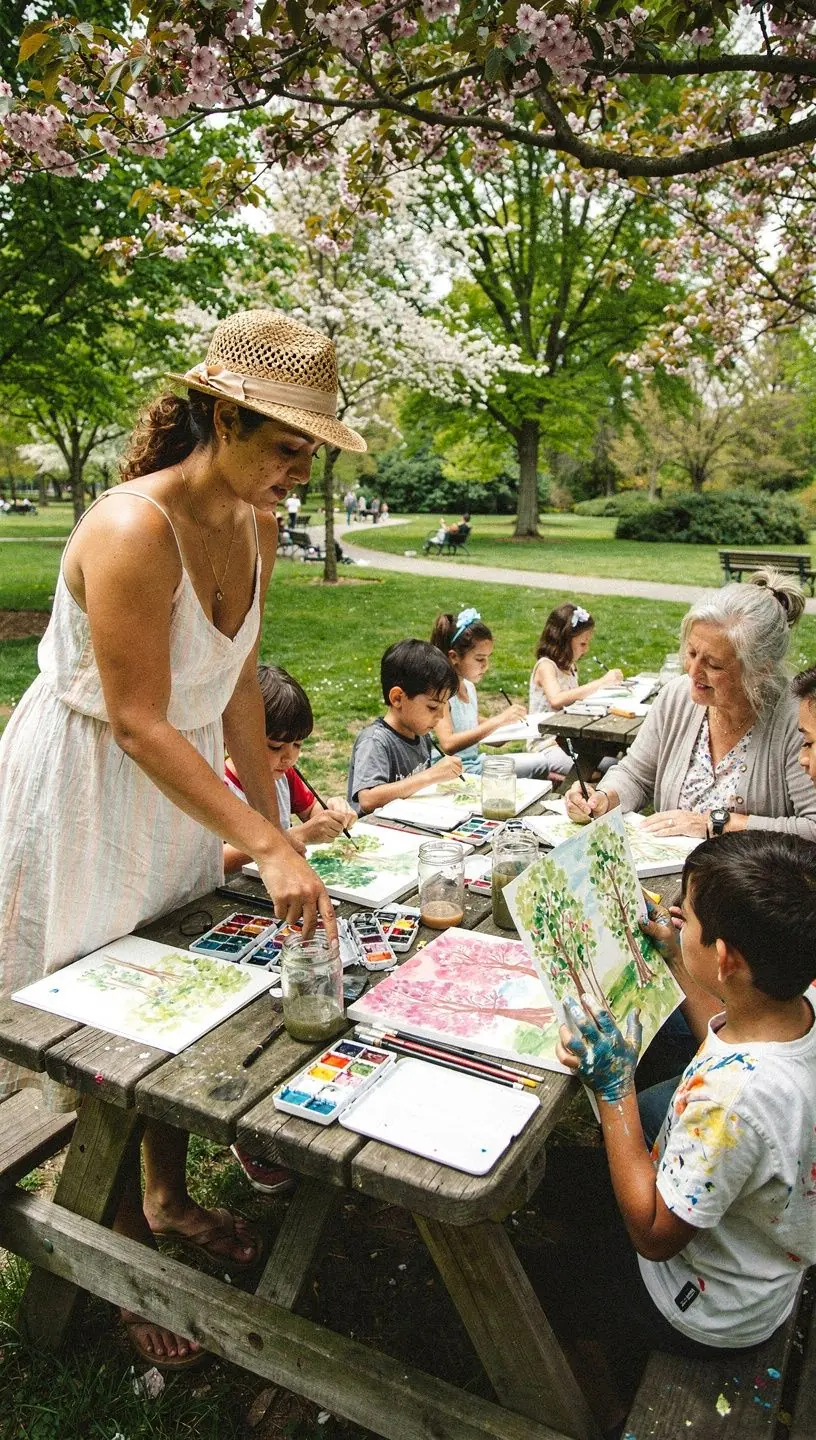
"Cultural crafts not only preserve traditions but also foster connections within diverse communities." - Cultural Studies Expert
Benefits of Integrating Cultural Crafts
- Enhances Creativity: Engaging with different cultural crafts can inspire new ideas and innovative approaches. Studies show that exposure to varied artistic styles can boost creativity by up to 30%.
- Fosters Community: Incorporating cultural elements can help members feel more connected. Many experts recommend creating a welcoming environment that encourages sharing personal stories related to the crafts.
- Promotes Cultural Awareness: Sharing and learning about other cultures fosters understanding and appreciation. This works best when club members are open to learning about different traditions and practices.
Practical Steps for Incorporating Cultural Crafts
To effectively incorporate cultural crafts into your skill-sharing club, consider the following steps:
- Identify Cultural Crafts: Research various crafts from different cultures that align with the interests of your group. This may include weaving, pottery, or traditional painting techniques.
- Invite Guest Instructors: Many clubs find success by inviting local artisans or cultural representatives to teach specific crafts. This can provide authentic insights and enhance the learning experience.
- Host Cultural Exchange Events: Organize events where members can showcase their crafts while sharing the cultural significance behind them. This not only educates but also strengthens community bonds.
Challenges and Considerations
While integrating cultural crafts can be beneficial, it also comes with challenges. Some members may require more time to learn new techniques, as certain crafts can have a steep learning curve. Additionally, it's important to approach cultural representation with sensitivity to avoid misrepresentation or appropriation. Ensuring that instruction is respectful and accurate is crucial.
Conclusion
Incorporating cultural crafts into skill-sharing clubs can significantly enhance the learning experience and foster a deeper appreciation for diversity. By recognizing the importance of cultural exchange and implementing actionable strategies, clubs can create a more vibrant and inclusive environment. Remember, successful integration often requires patience and dedication, and it’s essential to prioritize education over mere skill acquisition.
Discover More