How to Organize a Community Craft Workshop
Craft workshops can serve as a wonderful opportunity for community bonding, personal expression, and skill development. However, organizing a successful craft workshop requires careful planning and consideration of various factors. This article will guide you through the essential steps to create a rewarding experience for both facilitators and participants.
Understanding the Importance of Craft Workshops
According to research, community-based workshops can enhance social connections and promote mental well-being. In most cases, engaging in creative activities leads to improved mood and reduces feelings of stress. Experts recommend incorporating craft workshops into community programs as they often encourage collaboration and learning among members.
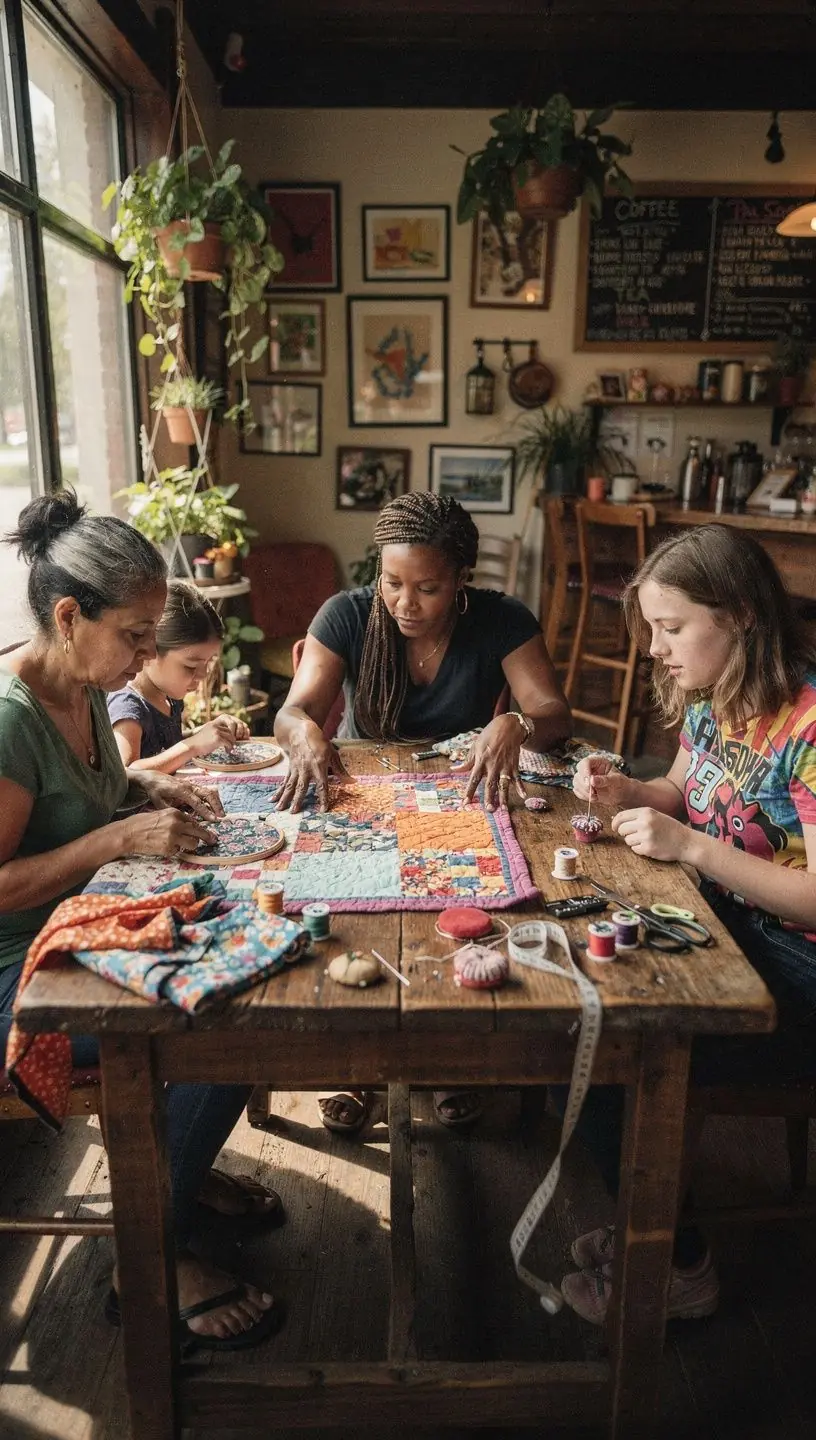
"Craft workshops are not just about creating art; they are about building relationships and fostering a sense of belonging." - Community Development Expert
Step-by-Step Guide to Organizing a Craft Workshop
To effectively plan a community craft workshop, consider the following steps:
- Identify Your Audience: Understand who you want to attract to the workshop. Engaging a broad demographic often increases participation. Many organizers find it helpful to create a survey or conduct informal polls to gauge interest in various crafts.
- Select a Craft Activity: Choose a craft that aligns with your audience's interests and skill levels. Research indicates that activities like painting, knitting, or pottery are often popular. Ensure the chosen craft allows for creativity while being achievable within the workshop timeframe.
- Secure a Venue: Find a location that is accessible to all participants. Ideally, the venue should have adequate space, lighting, and necessary supplies. Community centers or local libraries are often suitable and can be reserved at little to no cost.
- Gather Materials: Make a list of all materials needed for the craft. To keep costs manageable, consider reaching out to local businesses for sponsorship or donations. Many craft workshops successfully utilize recycled materials, which can also promote sustainability.
- Promote Your Workshop: Use social media, community boards, and local newsletters to spread the word about your event. Studies show that personal invitations often yield higher attendance rates, so encourage participants to bring friends along.
- Prepare for the Day: Arrive early to set up the workspace. Ensure that the materials are organized, and consider preparing a sample of the craft to demonstrate. Providing a welcoming atmosphere can enhance the participants' experience.
Facilitating the Workshop
During the workshop, focus on creating an engaging environment. Be prepared to offer guidance while allowing participants the freedom to explore their creativity. It’s important to remain adaptable; if a technique isn't working, consider modifying your approach based on the group's needs.
Acknowledging Limitations
While crafting can be enjoyable, it typically involves a learning curve. Participants may require patience as they develop their skills. Setting realistic expectations regarding the time commitment and outcomes can help mitigate any frustration. For instance, a complex project might need more than one session to complete successfully.
Conclusion
Organizing a community craft workshop can be a rewarding endeavor, fostering creativity and connections among participants. By following these steps and preparing adequately, you can create an enriching experience that leaves everyone feeling accomplished. Remember, the goal is not perfection but rather participation and enjoyment in the craft process. Happy crafting!
Discover More