Practical Approaches to Teaching Creative Skills
In the growing landscape of skill-sharing clubs, teaching creative skills can be both rewarding and challenging. This article explores practical approaches to teaching crafts and creative activities, grounding our insights in research and best practices.
Understanding the Basics of Creative Skill Teaching
Teaching creative skills effectively requires an understanding of various pedagogical approaches. According to research, active learning strategies are often more effective than traditional lecture methods. This is because participants typically engage more deeply when they are involved in the learning process, allowing for better retention of skills.
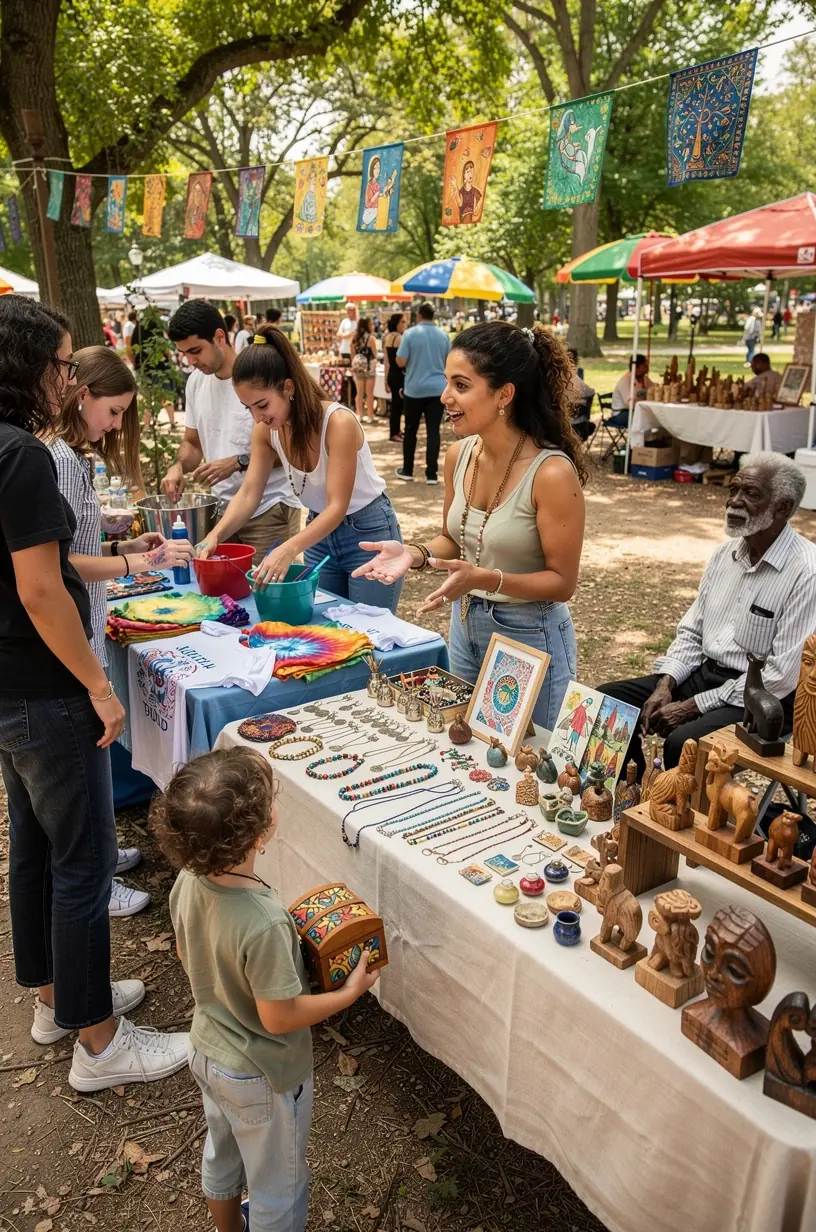
"Hands-on experience is essential in creative fields, where theory alone is insufficient to foster genuine skill development."
Key Principles for Effective Teaching
Experts recommend a few foundational principles for teaching creative skills:
- Encourage Exploration: Allowing participants to explore their creativity without rigid structures can lead to innovation. This works best when learners are given the freedom to experiment with different techniques.
- Provide Constructive Feedback: Feedback should be seen as a tool for growth. Studies show that constructive criticism helps learners understand their strengths and areas for improvement, contributing to skill enhancement.
- Foster a Collaborative Environment: Learning in groups can promote peer teaching, which is often beneficial. Many users report that sharing ideas and techniques enhances their understanding and appreciation of the craft.
Methodologies to Implement
To ensure participants gain the most from their experiences, consider these methodologies:
- Structured Workshops: These sessions should typically last between 2-4 hours and focus on specific techniques or projects. This format allows a balance of instruction and hands-on practice.
- Project-Based Learning: Implementing projects that require the application of skills can help learners connect theory to practice. This approach often yields better results as it encourages critical thinking and problem-solving.
- Regular Reflection: Encourage participants to reflect on their learning process. Research indicates that self-reflection can enhance learning outcomes, helping individuals understand what techniques resonate with them and why.
Acknowledging Limitations
While these approaches can be effective, it’s essential to acknowledge their limitations:
- Teaching creative skills often involves a steep learning curve; participants may need time and practice to see tangible results.
- Some methods may not be ideal for all artistic disciplines. For instance, highly technical crafts may require more structured guidance compared to more fluid creative endeavors.
- Results typically vary; thus, expectations should be managed, with a clear understanding that mastery takes time.
Conclusion
In conclusion, practical approaches to teaching creative skills revolve around fostering an environment that encourages exploration, provides constructive feedback, and leverages collaborative learning. By implementing structured workshops, project-based assignments, and regular reflection, educators can enhance the learning experience for their students. Remember, while these methods can help facilitate creativity, the journey of learning itself is essential, and results may vary based on individual commitment and effort.
Discover More