Creating a Supportive Environment for Skill-Sharing
In the realm of skill-sharing clubs, fostering a supportive environment is essential for nurturing creativity and collaboration among members. This article explores practical strategies that can help create a warm and welcoming atmosphere conducive to learning and sharing crafts and creative activities.
Understanding the Importance of Support
Creating a supportive environment is not just a nice-to-have; it can significantly impact the effectiveness of skill-sharing initiatives. According to research conducted by the American Psychological Association, supportive environments can enhance learning outcomes and boost participant engagement. This works because individuals are more likely to take risks and express themselves creatively when they feel accepted and valued by their peers.
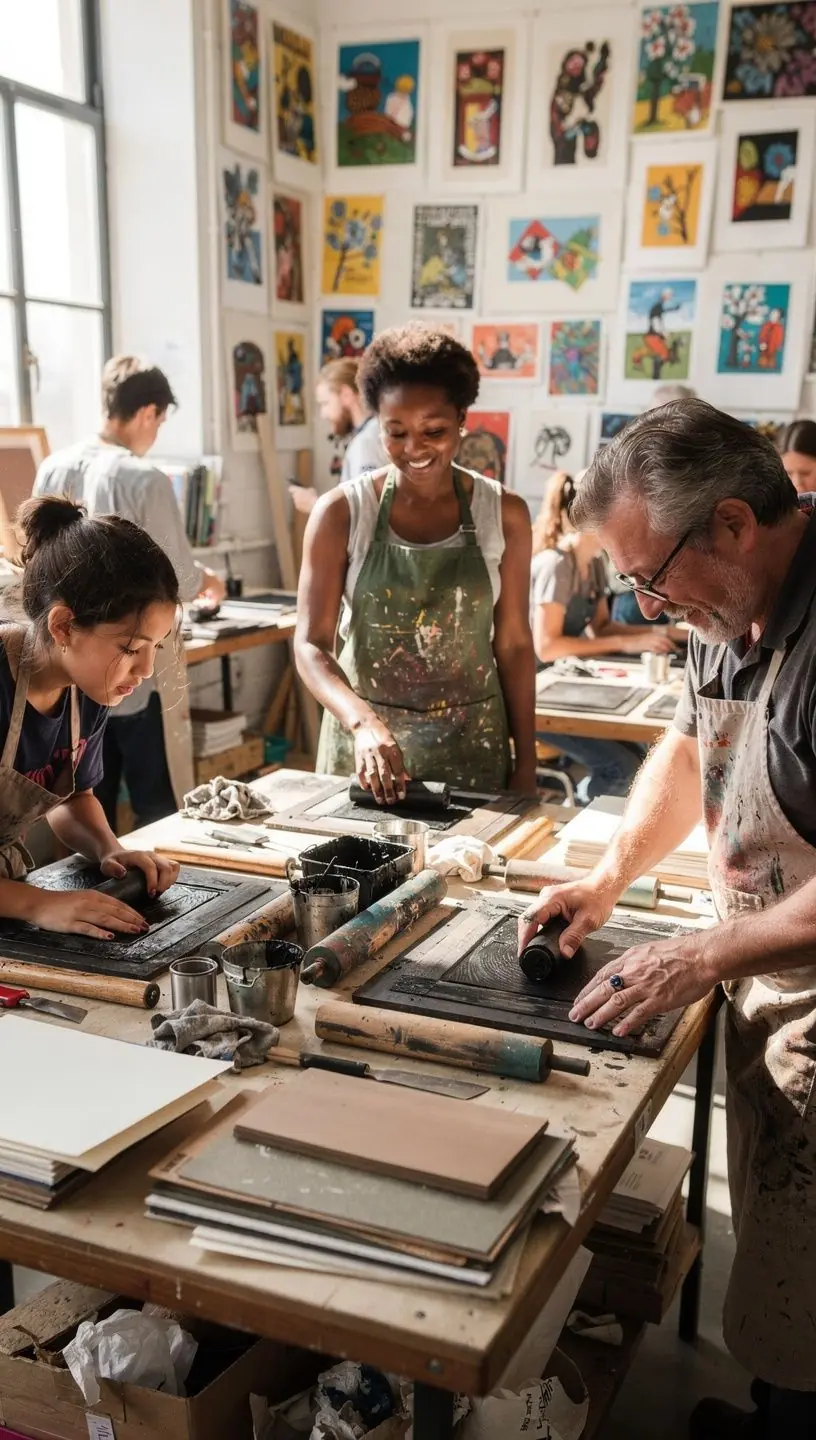
"A supportive atmosphere encourages collaboration and fosters a sense of belonging, which is essential for creative endeavors." - Creative Learning Institute
Key Strategies for Building Supportive Environments
- Encourage Open Communication: Create avenues for members to express their ideas, questions, and concerns. Regular check-ins and feedback sessions can make participants feel heard and valued.
- Celebrate Each Other’s Successes: Acknowledging the achievements of fellow members, whether big or small, can foster a sense of community and motivation. Experts recommend implementing a "shout-out" system during meetings to highlight individual contributions.
- Provide Constructive Feedback: When sharing skills, feedback is crucial. However, it must be constructive and respectful. Many users report that receiving feedback in a supportive manner is more beneficial, as it encourages them to improve without discouragement.
Implementing Inclusivity Practices
Inclusivity is a cornerstone of supportive environments. It’s important to recognize and value the diversity of experiences and perspectives within your skill-sharing club. Research shows that diverse groups are more innovative and effective in problem-solving, which can enhance the overall quality of shared crafts and activities.
To implement inclusivity effectively, consider the following:
- Provide opportunities for members to share their backgrounds and experiences, which can enrich discussions and learning.
- Ensure that materials and resources cater to all skill levels, from beginners to advanced practitioners.
- Consider the physical space where activities take place. It should be accessible and welcoming to everyone.
Setting Realistic Expectations
While creating a supportive environment is crucial, it’s also important to set realistic expectations. Establishing a nurturing atmosphere typically requires ongoing commitment and time. For instance, building trust and rapport among members can often take several meetings and consistent engagement. It’s essential to communicate these expectations to all participants so they can be prepared for the journey ahead.
Additionally, consider implementing a mentorship program within your skill-sharing club. Pairing experienced members with newcomers can facilitate learning and build confidence while also establishing a supportive network. This method typically works best when both parties are willing to engage actively, which may require several weeks to fully develop.
Conclusion
Creating a supportive environment for skill-sharing clubs is a multifaceted endeavor that can lead to enhanced creativity, collaboration, and personal growth. By focusing on open communication, celebrating successes, providing constructive feedback, and implementing inclusivity practices, members can cultivate a positive atmosphere. Remember to set realistic expectations regarding the time and effort needed to nurture this environment. Ultimately, the aim is to empower individuals to share their skills and learn from one another, all while enjoying the process of creativity together.
Discover More